- Call Us: (847) 277-0433
- Email: info@mandlik-rhodes.com

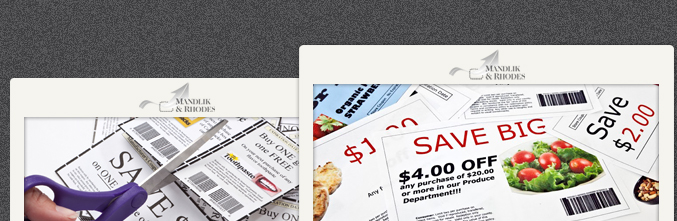
It’s not uncommon for consumers to reach out and say a coupon wouldn’t scan, wasn’t accepted at checkout, or was refused by a cashier. In many cases, these are legitimate issues—technology fails, point-of-sale systems vary, and store-level execution isn’t always perfect.
However, offering free product or sending out replacement coupons every time someone claims an issue can quickly become a loophole for fraud.
This tactic isn’t new. Fraudsters have been exploiting the “my coupon didn’t work” complaint for decades. With a simple email, they can attempt to collect high-value coupons or free product—often repeatedly, and often across multiple brands. The risk is higher for brands with strong customer service reputations or those who handle issue resolution in-house.
Mandlik & Rhodes has worked with clients who, after re-evaluating automatic issuance of free-value coupons or free product, reported a significant decline in incoming complaints.
In most recent cases, clients who were more generous in these scenarios began to notice a pattern: a steady stream of consumer complaints that abruptly dropped after tightening their fulfillment policies.
Customer service matters; however, so does protecting your promotional budget. With a few thoughtful guardrails in place, your team can continue to support real customers while minimizing exposure to repeat fraud attempts.